
Food Calorie Database
Comprehensive nutritional information for informed eating choices. Explore thousands of foods and their caloric content to support your wellness goals.
Search by Category
Featured Food Items
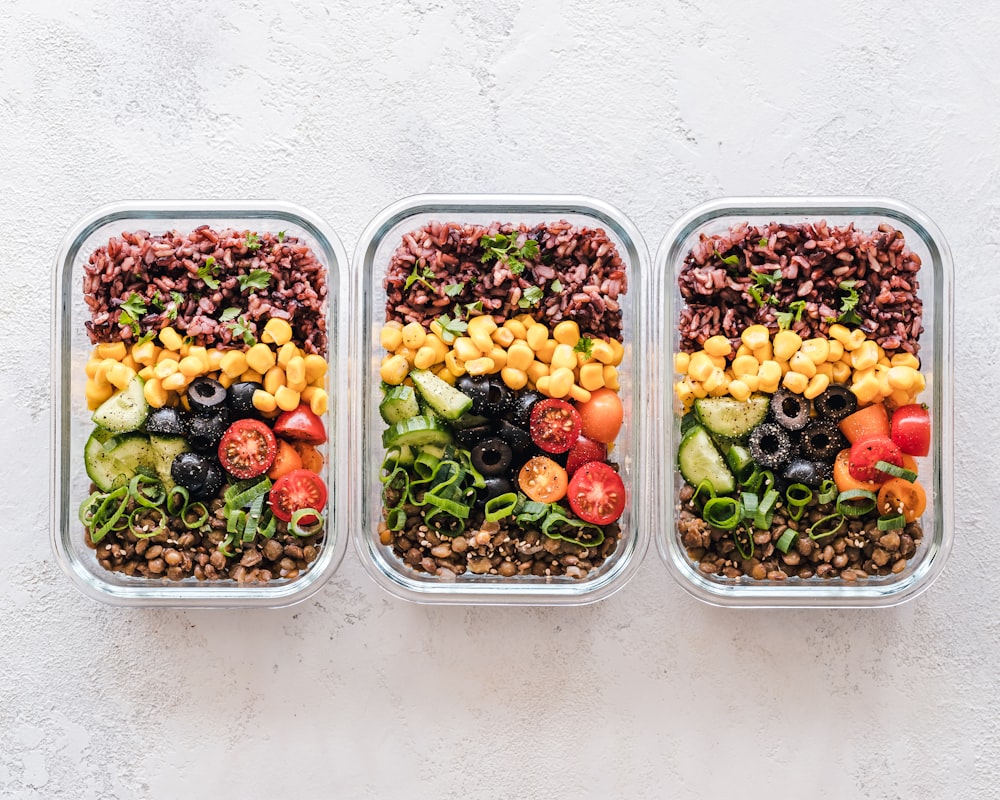
Apple (Red)
Low in calories, rich in fibre and vitamins. An excellent choice for weight management. Provides natural sweetness without excess energy.
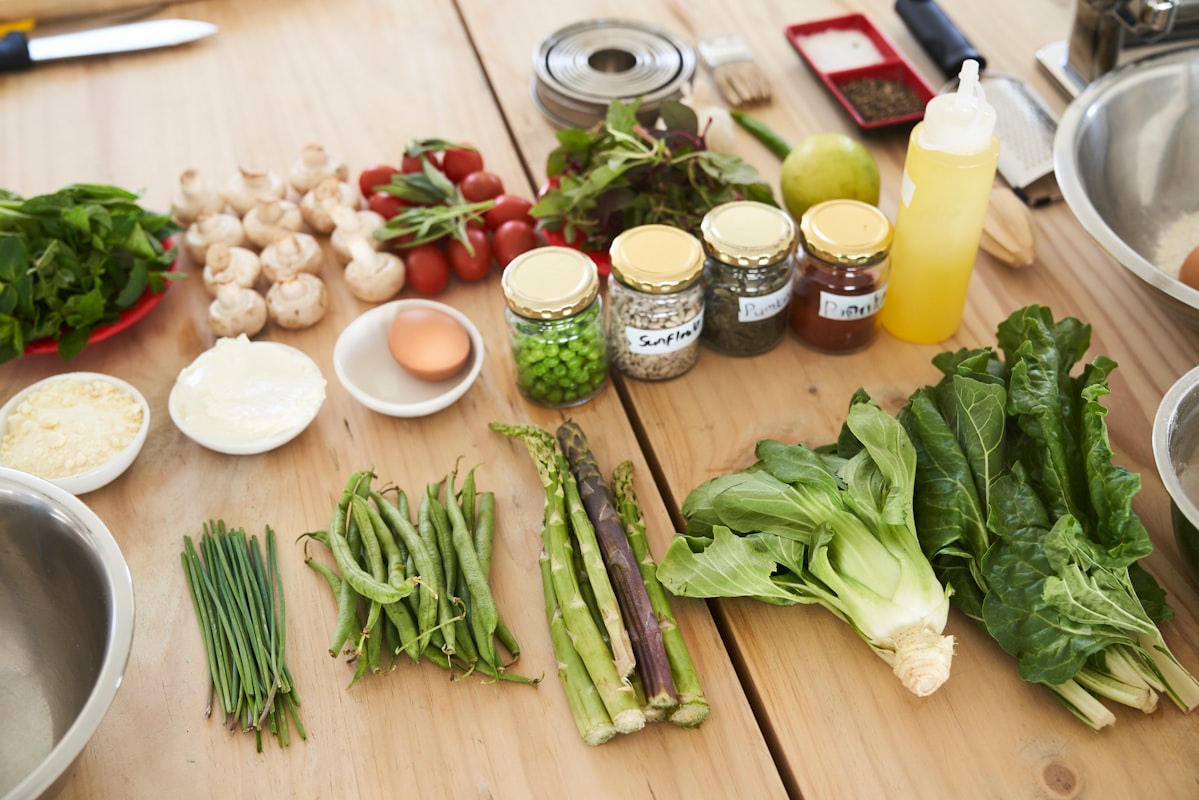
Broccoli
Exceptionally low-calorie cruciferous vegetable. Packed with vitamins C and K. Supports digestive wellness and provides sustained nutritional value.
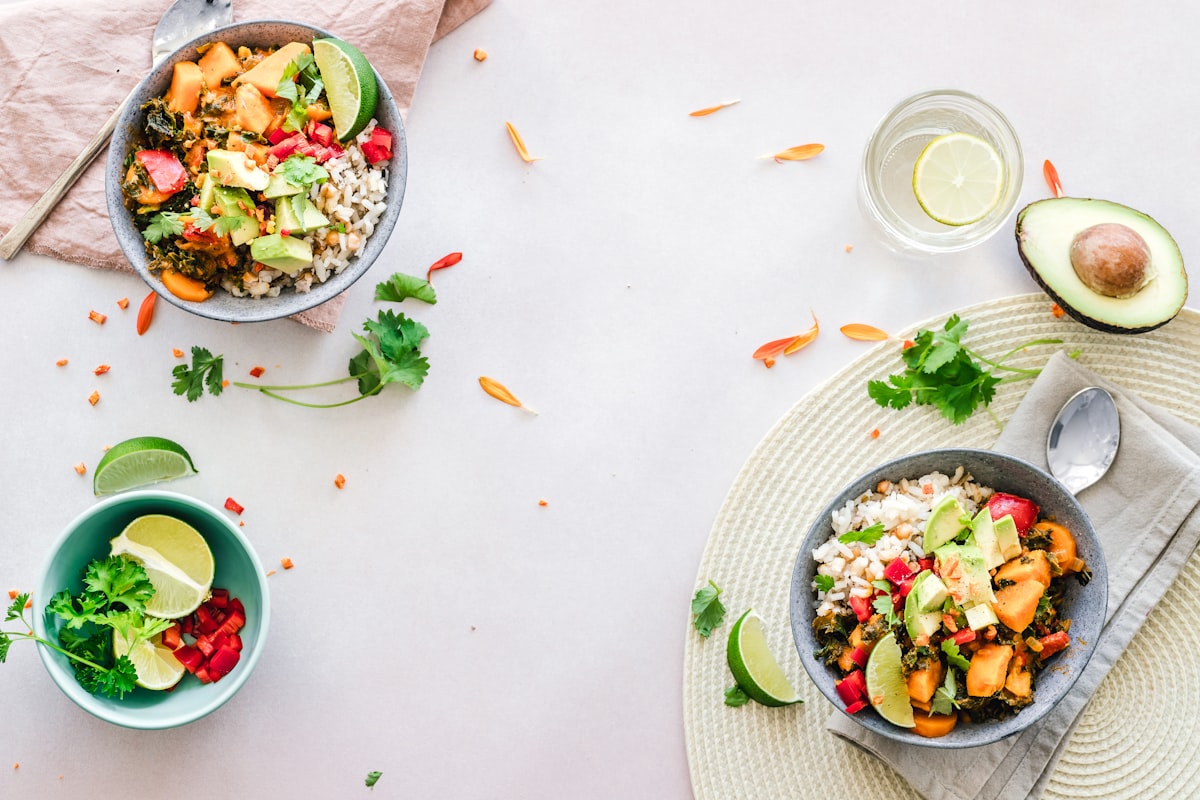
Chicken Breast (Skinless)
Lean protein source ideal for muscle maintenance. Low in fat, high in essential amino acids. Supports satiety and active metabolism.
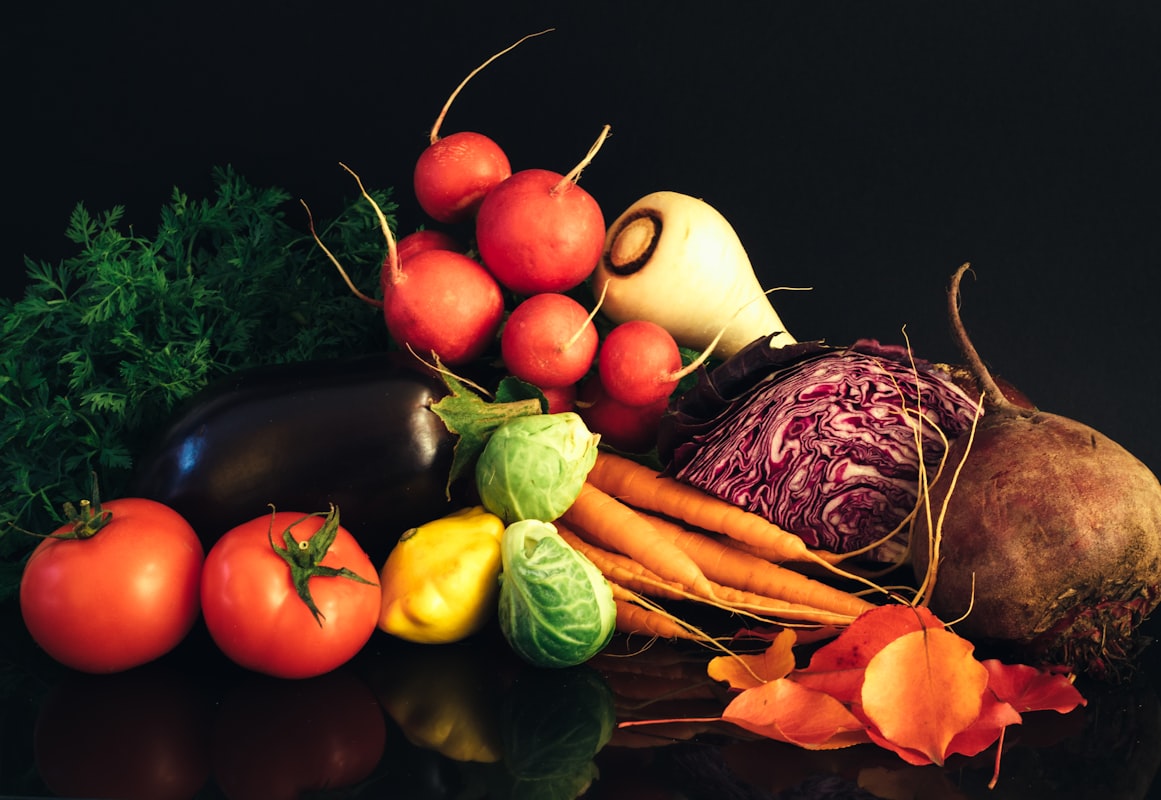
Carrot (Raw)
Rich in beta-carotene and fibre. Very low calorie density makes it ideal for volume eating. Naturally sweet with minimal nutritional impact.
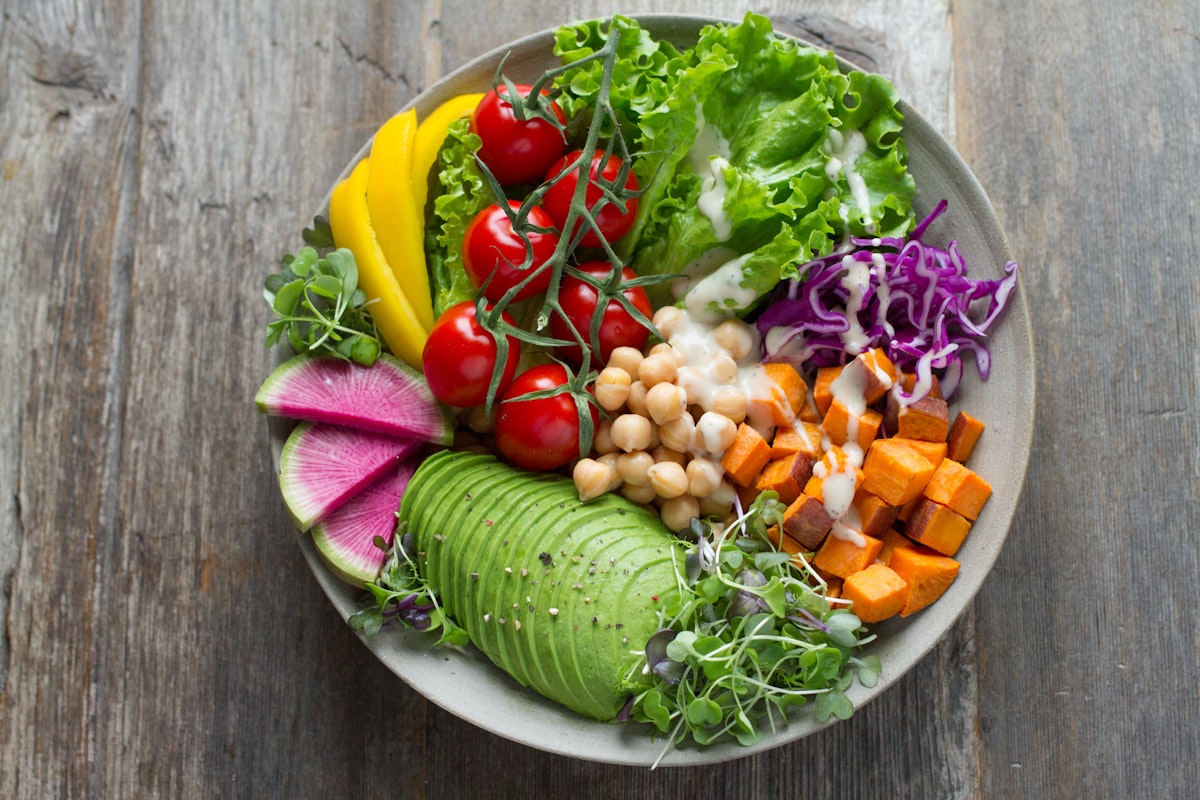
Greek Yogurt (Plain, Non-Fat)
High-protein dairy option with minimal calories. Promotes satiety and muscle recovery. Excellent base for nutritious breakfast options.
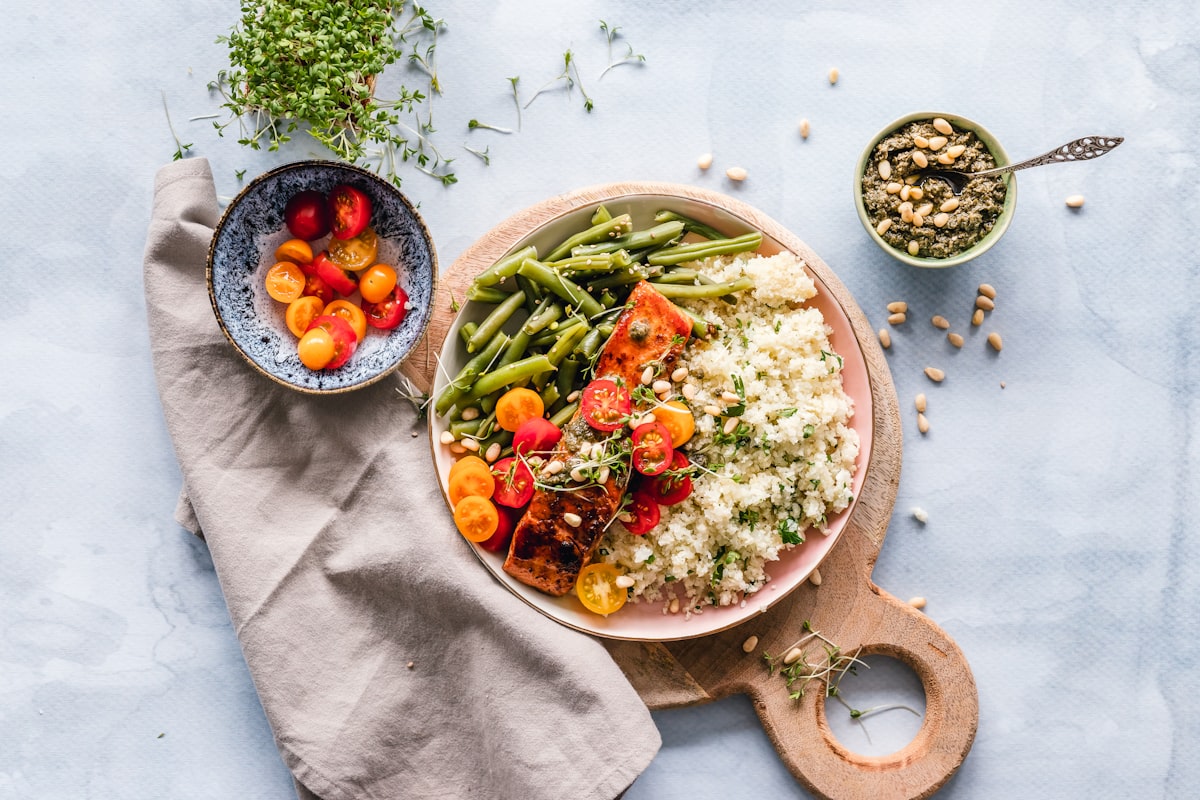
Salmon (Cooked)
Premium protein source rich in omega-3 fatty acids. Supports cardiovascular wellness and sustained energy. Valuable for balanced nutrition.
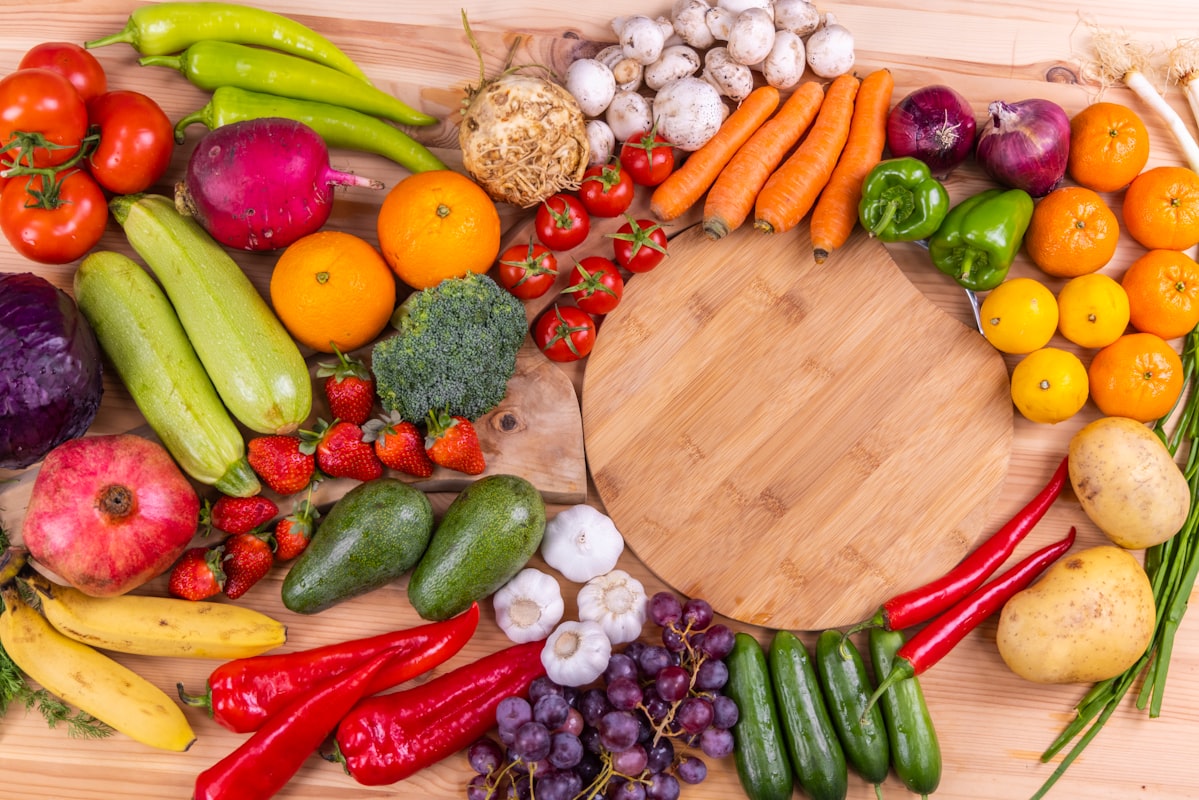
Spinach (Raw)
Among the lowest-calorie foods available. Dense in micronutrients including iron and magnesium. Perfect for volume meals with minimal caloric impact.
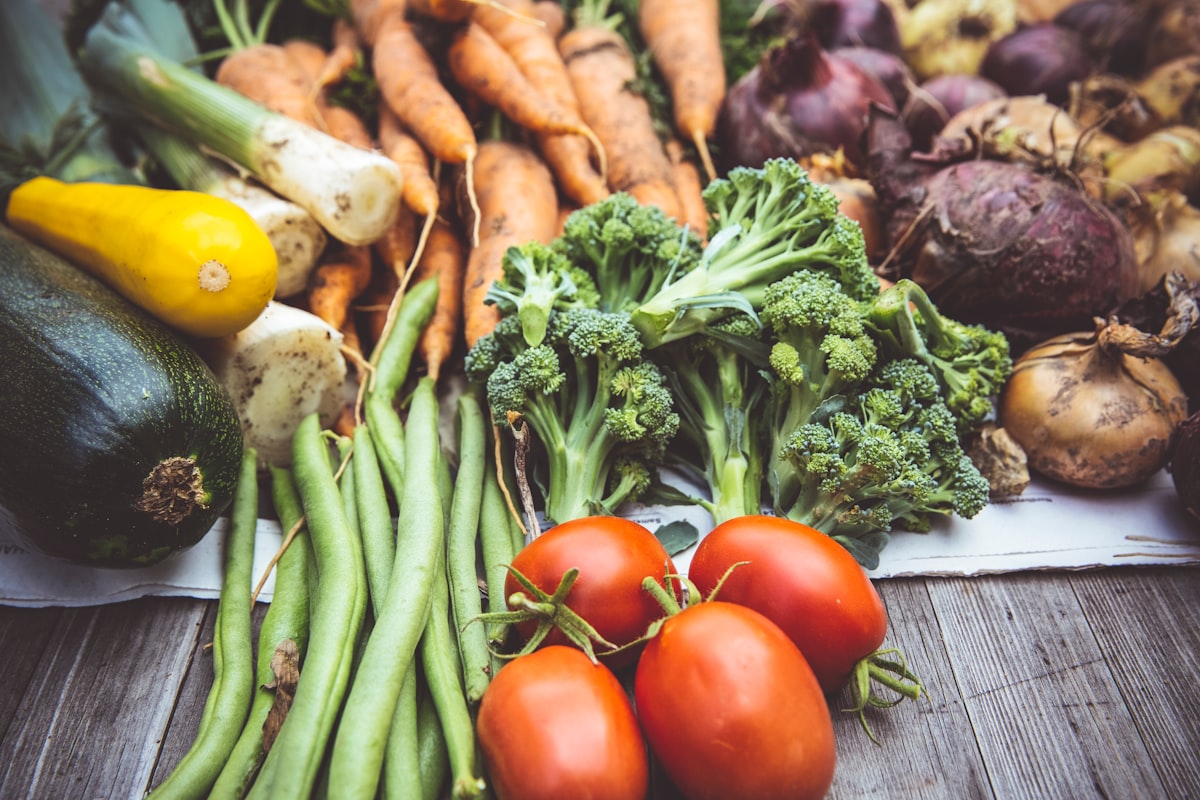
Blueberries
Low-calorie berry with powerful antioxidants. Moderate fibre content promotes digestive wellness. Satisfying sweet flavour with nutritional benefits.
Understanding Nutritional Values
Calories
Calories represent the energy content of food. Our listings show calories per 100 grams, making it easy to calculate intake for any portion size. Lower-calorie foods support energy balance.
Protein
Protein is essential for muscle maintenance and repair. High-protein foods promote satiety, helping you feel fuller longer. Prioritising protein supports active nutrition choices.
Carbohydrates
Carbohydrates provide energy and fibre. Complex carbs from vegetables and grains digest slowly, maintaining stable energy levels. Balance carb intake with your activity level.
Fats
Healthy fats support hormone production and nutrient absorption. Though calorie-dense, moderate fat intake is beneficial. Focus on unsaturated fats from fish and nuts.
Fibre
Dietary fibre aids digestion and promotes satiety. Vegetables, fruits, and whole grains provide significant fibre with minimal calorie density. Essential for digestive wellness.
Micronutrients
Vitamins and minerals regulate bodily functions. Variety in food choices ensures adequate micronutrient intake. Our database notes key nutrient content for informed selection.
How to Use Our Database
Search by Food Name
Enter any food item in the search box to find its nutritional profile. Our database covers thousands of common and specialty foods available in UK markets.
Filter by Category
Browse specific food categories such as fruits, vegetables, proteins, grains, or dairy. Filtering helps you discover alternatives within your preferred food groups.
Sort by Nutritional Value
Compare foods by calories, protein content, or other nutrients. Sorting helps identify lower-calorie alternatives and high-protein options for your meals.
Track Your Choices
Use the nutritional information to make informed eating decisions. Recording your intake helps you understand your current nutrition patterns and adjust as needed.
Healthy Food Swaps
Instead of Pasta
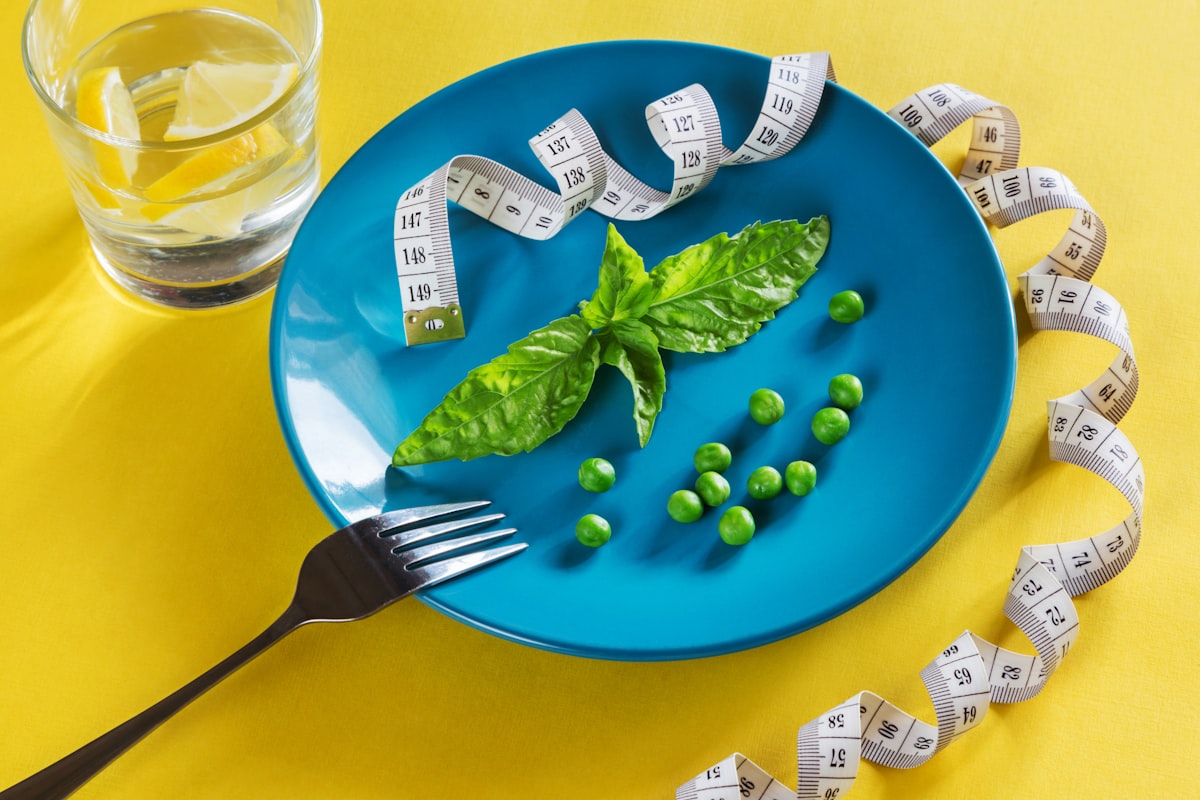
Cooked pasta contains approximately 130 calories per 100g. Consider courgette noodles at just 17 calories per 100g, or shirataki noodles at 8 calories per 100g for similar texture with dramatically fewer calories.

Instead of Mayonnaise
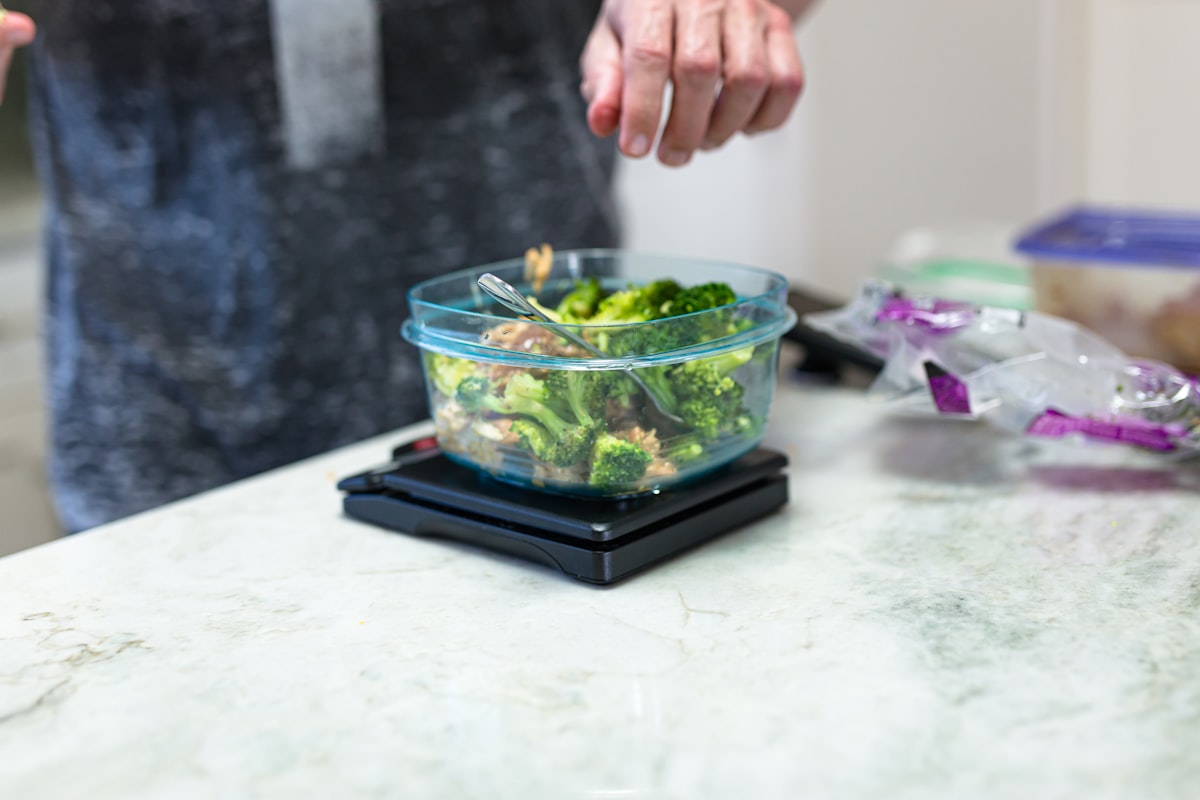
Traditional mayonnaise contains 680 calories per 100g. Greek yogurt at 59 calories per 100g or mustard at just 66 calories per 100g provide flavour with significantly lower caloric density.
Instead of Sugary Drinks
Soft drinks average 42 calories per 100ml. Herbal tea, sparkling water, or black coffee (with milk if desired) provide hydration with minimal or zero calories, supporting better energy balance.

Instead of Crisps
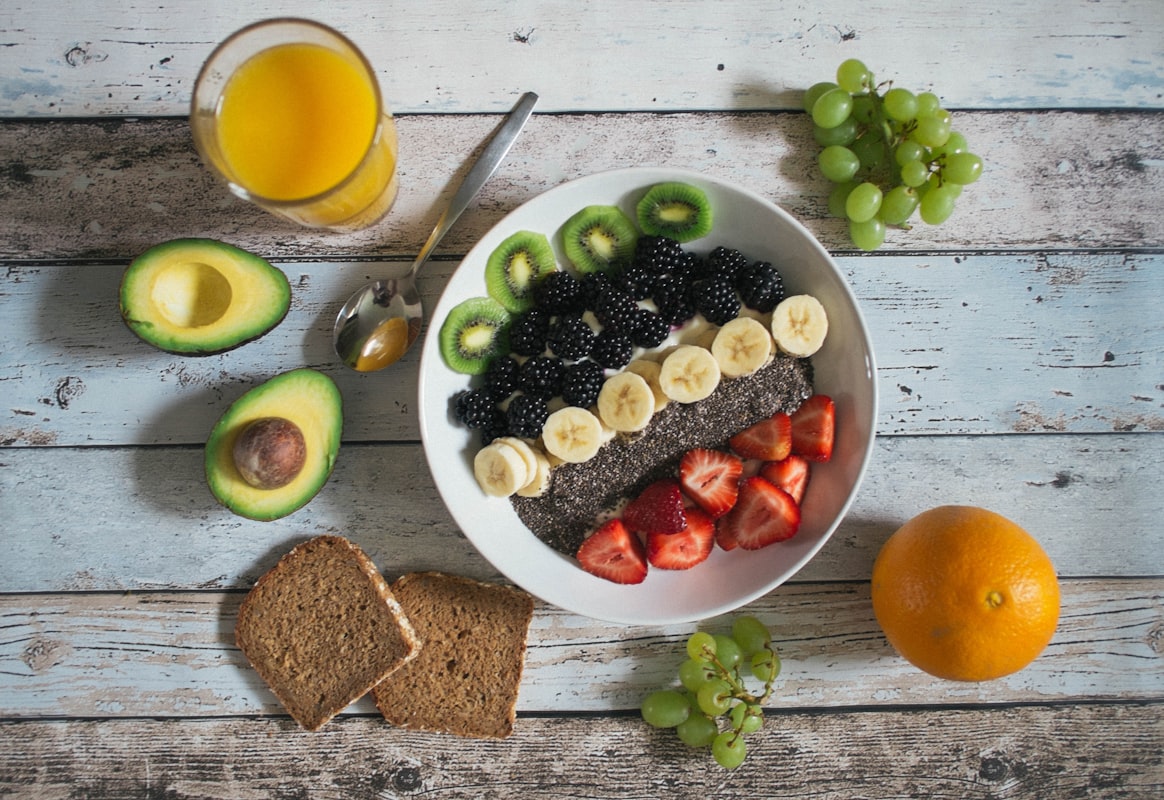
Crisps contain around 530 calories per 100g. Air-popped popcorn at 31 calories per 100g or roasted chickpeas at 150 calories per 100g satisfy snacking urges with better nutritional profiles.